
Upcoming & Recent Events
Conferences
Webinars

Celebrity
Gemologist Interviews

Career Forums

Ground-breaking Gemological Conferences
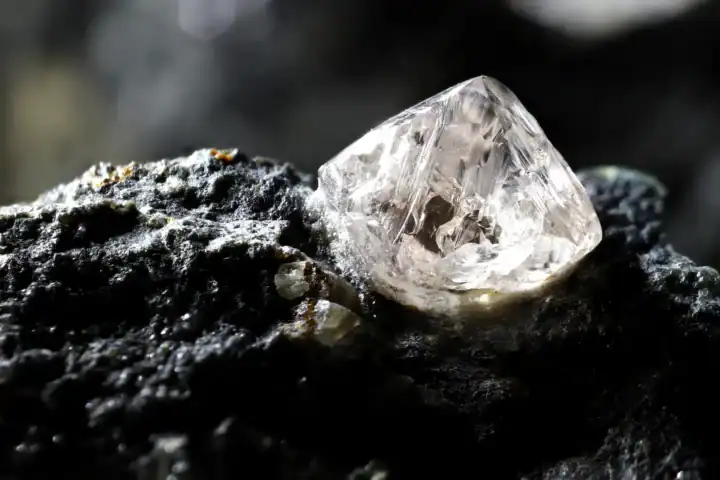
2025 AGA Virtual Conference – Diamonds From Mine to Market
Join leading experts from De Beers, GIA, and Gemworld International for a dynamic look at diamond recovery, grading breakthroughs, and emerging market trends.
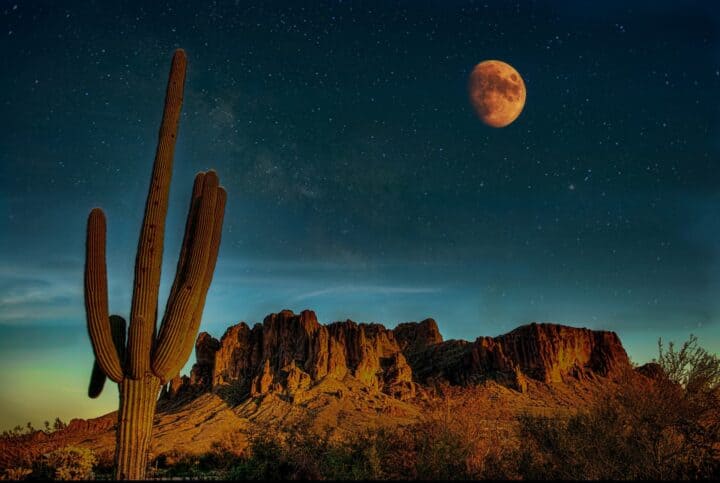
2025 AGA Tucson Gemological Conference and Gala
Learn by day and dance the night away with AGA in 2025. The AGA Gemological Conference is THE place to meet in Tucson, where gemologists worldwide unite to gain knowledge and share experiences.
Almost Sold Out – Door Sales Only!Online ticket sales are closed. A limited number of tickets will be available at the door as availability allows.
2025 AGA Virtual Conference – Diamonds From Mine to Market
This virtual conference focuses on diamonds and features a diverse line-up of industry professionals sharing their knowledge and perspectives from different angles of the gemological diamond field.

Tucson Conference and Gala 2024 celebrating AGA’s 50th Anniversary
Join us in commemorating a sparkling milestone as AGA proudly celebrates its 50th Anniversary at the much-anticipated 2024 Tucson Gemological Conference and Gala in Tucson, Arizona

Tucson Conference & Gala 2023
We are excited to bring our global community together again for a day of education and celebration at the 2023 AGA Tucson Conference and Gala.

AGA Las Vegas Conference
Awesome Webinars

Cut, Color, Composition: The Modern Language of Pietra Dura
Explore the world of contemporary mosaic through the lens of pietra dura with artist Madison E. Hill. In this webinar, Hill presents highlights from her portfolio, showcasing how traditional Florentine techniques are reimagined in modern contexts. Attendees will gain insight into the precision, color, and composition behind her large-scale works and learn how stone becomes a powerful medium for visual storytelling.
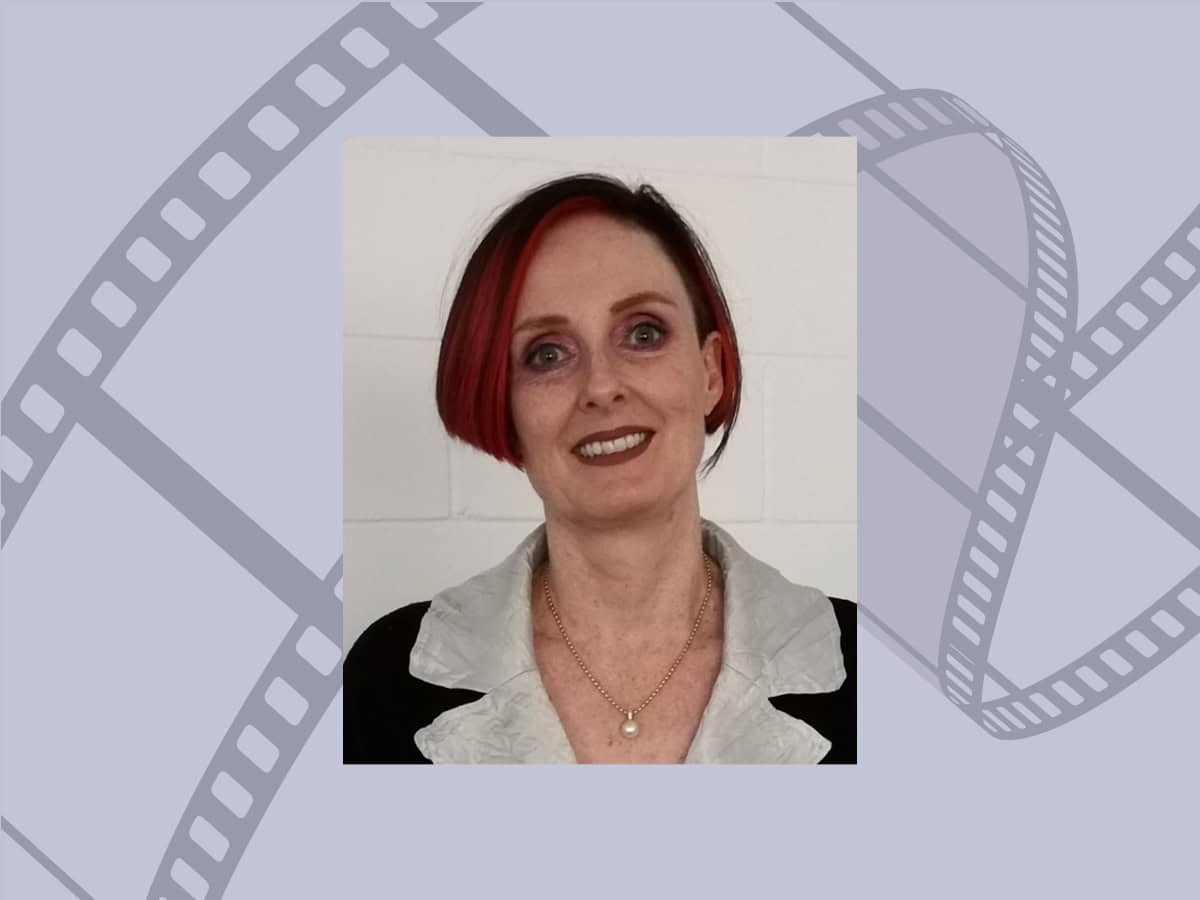
The World of Australian Opal by Kym Hughes
This webinar focuses on gaining a deeper understanding of opal and its accurate description using the Opal Classification System. Key points include identifying different opal types from the three major fields in Australia, detecting treatments and synthetics, and grading opal for valuation.
AGA Members, check your invitation email for registration details.
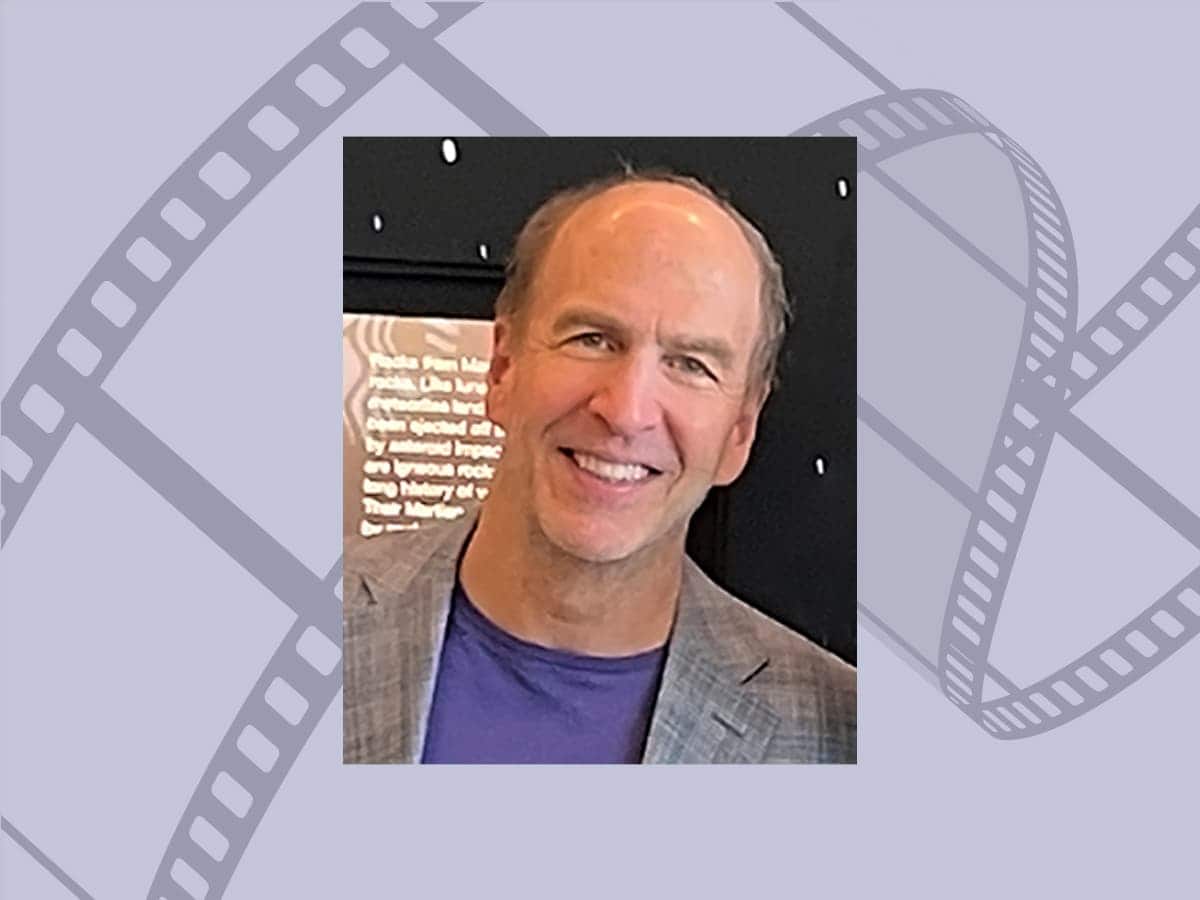
Why Meteorites Should Matter, Presented by Darryl Pitt
This webinar will take you beyond earthly gems. Pitt will educate attendees on the classification of meteorites and provide an overview of the history of the meteorite collector’s market. He will discuss jewelry applications for meteorites, as well as the ongoing demand and successful sales of them in the auction world. In addition, our expert will share tips on what to look out for and what to avoid as a buyer.
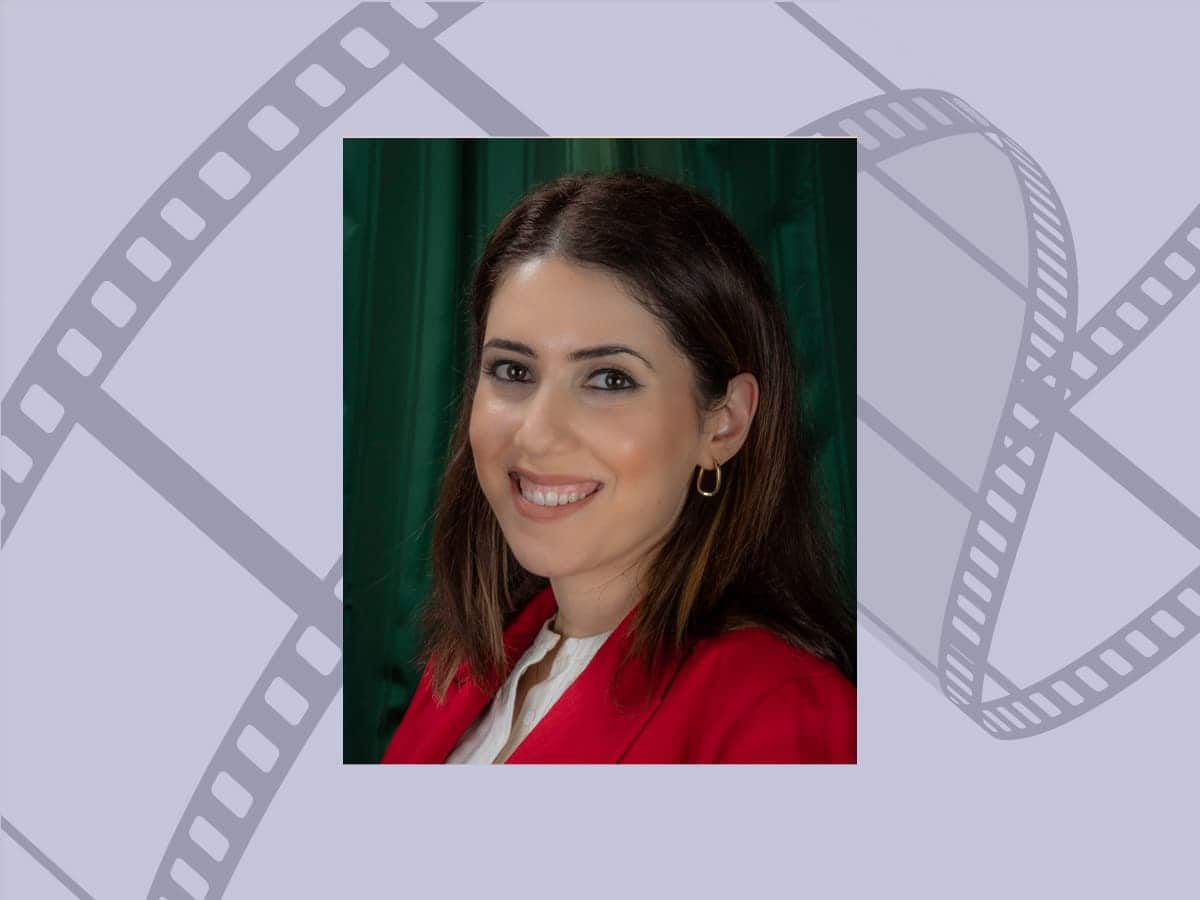
Continuity and Disruption? The Evolution of the Global Trade in Natural Pearls presented by Sona Tajiryan, Ph.D.
Embark on a fascinating journey through the annals of natural pearl trade history. Dr. Tajiryan, drawing parallels with the current world of high-end pearl trade, unravels the allure of natural pearls spanning thousands of years. From the Persian Gulf to the Pacific waters, discover the impact of historical disruptions and the enduring appreciation for these luminous treasures.
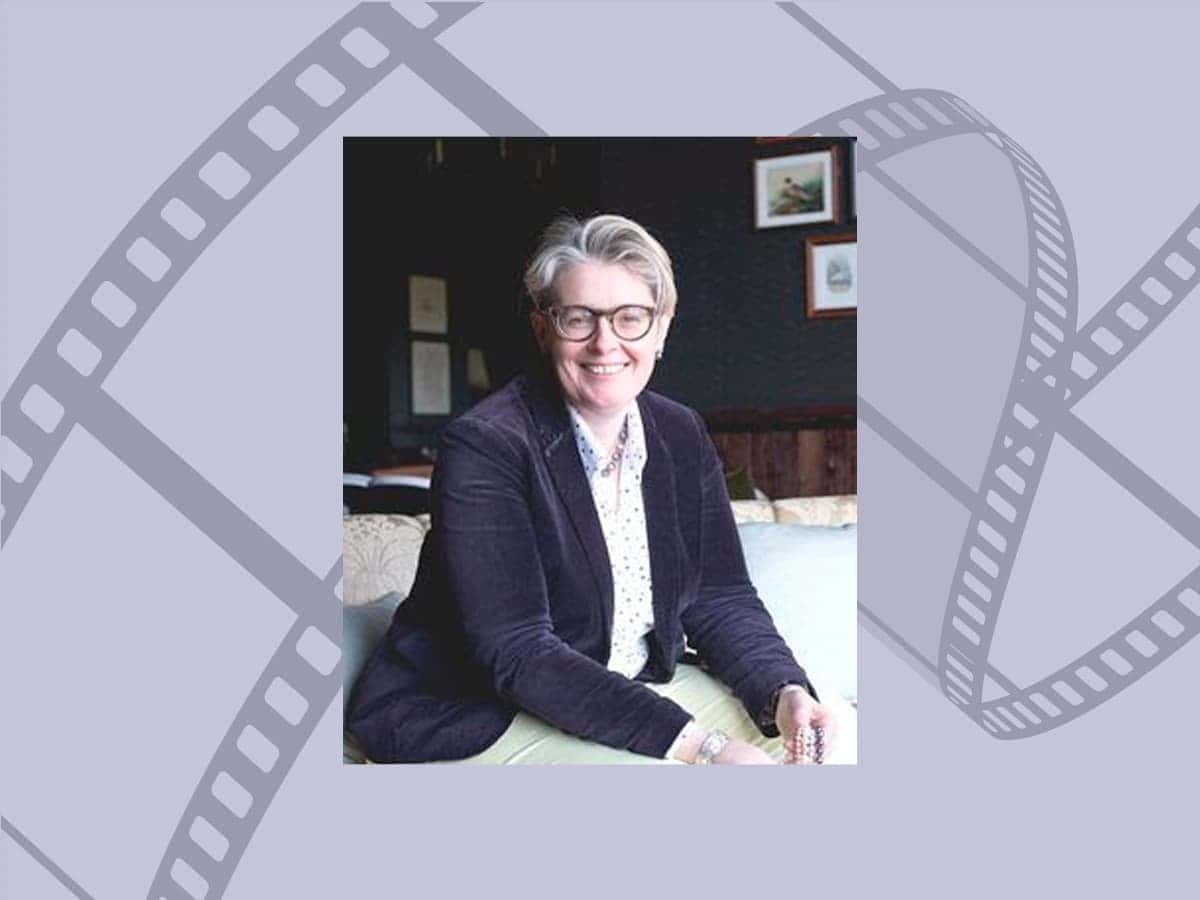
Fit for A King By Clare Blatherwick
The world witnessed history being made on May 6th, 2023 when King Charles III was crowned in London. In this presentation, Clare Blatherwick looks at the Coronation Regalia used on that day (as well as some of the jewels left out of the ceremony – and the reasons why), focusing on the symbolism of the pieces as well as their history and design.

All You Need To Know About Saltwater Pearls By Joshua Israileff
Joshua Israileff delivers a captivating presentation focused on the formation and cultivation of saltwater pearls. As a second-generation co-owner of ASBA USA, Inc, a pearl wholesale company with over 40 years of experience selling Tahitian, South Sea, and Japanese Akoya pearls, Joshua has witnessed tremendous growth and change in pearl farming and the industry, including pollution and warming temperatures in the waters that are home to the pearl beds.

Amber From Myanmar, “Burmite” by Alex Leung, FGC, GIA GG
The estimated 98 million-year-old Burmese amber is a time capsule of the Cretaceous period, preserving many organisms now believed to be extinct. Burmite is important to the scientific communities and is also highly sought after by collectors drawn to its diverse inclusions and array of colors.

Behind Tomorrow’s Heirlooms by Derek Katzenbach
Pull back the curtain, and peek into the world of a highly skilled craftsman as he creates tomorrow’s heirlooms. Derek Katzenberg shares his experience in custom jewelry design, from faceting manufacturing with an emphasis on ethical sourcing, and American-mined gemstones.

History, Legend, and Lore of Sapphires from Yogo Gulch, Montana by Dr. Aaron Palke
Discover the history, legend, and lore of one of North America’s most important gem deposits, the Yogo Sapphire Mine in central Montana. Learn to distinguish highly sought-after Yogo sapphires from other similar sapphires based on their chemical and gemological properties.
Crime and Crime Prevention – The New Normal in the Gem and Jewelry World by Kelly Ross
From store losses to frauds and online attacks, the spectrum of criminal activities is broad, and the impact far-reaching. Former police officer Kelly Ross examines various loss types, investigational challenges and discusses risk mitigation and preventative measures that jewelers can employ.

Celebrity Gemologist Interviews

Celebrity Interview: Joel Arem
AGA is honored to listen in as Joel Arem, PhD, author, speaker, gemologist & mineralogist, and AGA Founding member, is interviewed by his friend and colleague, Robert Weldon, former Director of the GIA Library, author, award-winning photographer, and recipient of the 2020 AGA Bonanno Award for Excellence in Gemology.
Celebrity Interview: Jim Shigley
Explore the world of gemstone identification, mineral formation, and the intricate characterization of gem materials in this exclusive conversation with Dr. Jim Shigley, GIA’s Distinguished Research Fellow, and 2008 AGA Bonanno Award Recipient, interviewed by Dona Dirlam, former GIA Library Director, and AGA Lifetime Achievement Award Recipient.
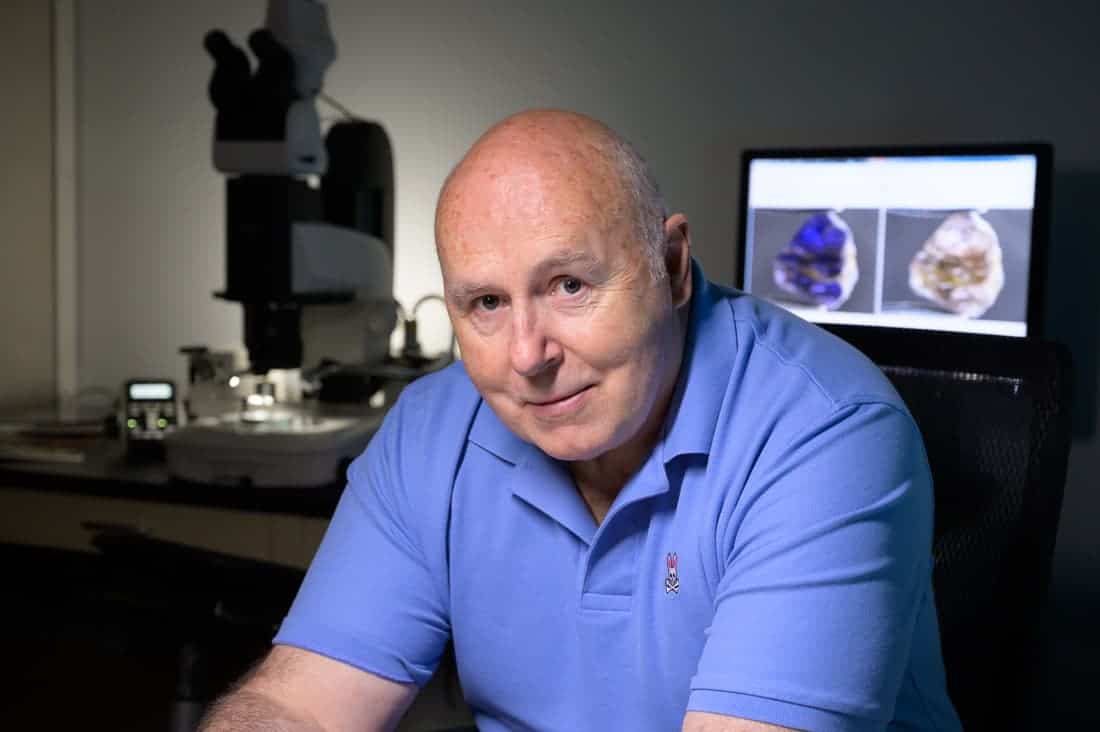
Celebrity Interview: John Koivula
Join in a conversation between friends and colleagues as Richard Hughes interviews the legendary microscopist, author, and photographer John Koivula. John was honored with the AGA Antonio C. Bonanno Award for Excellence in Gemology in 2002.
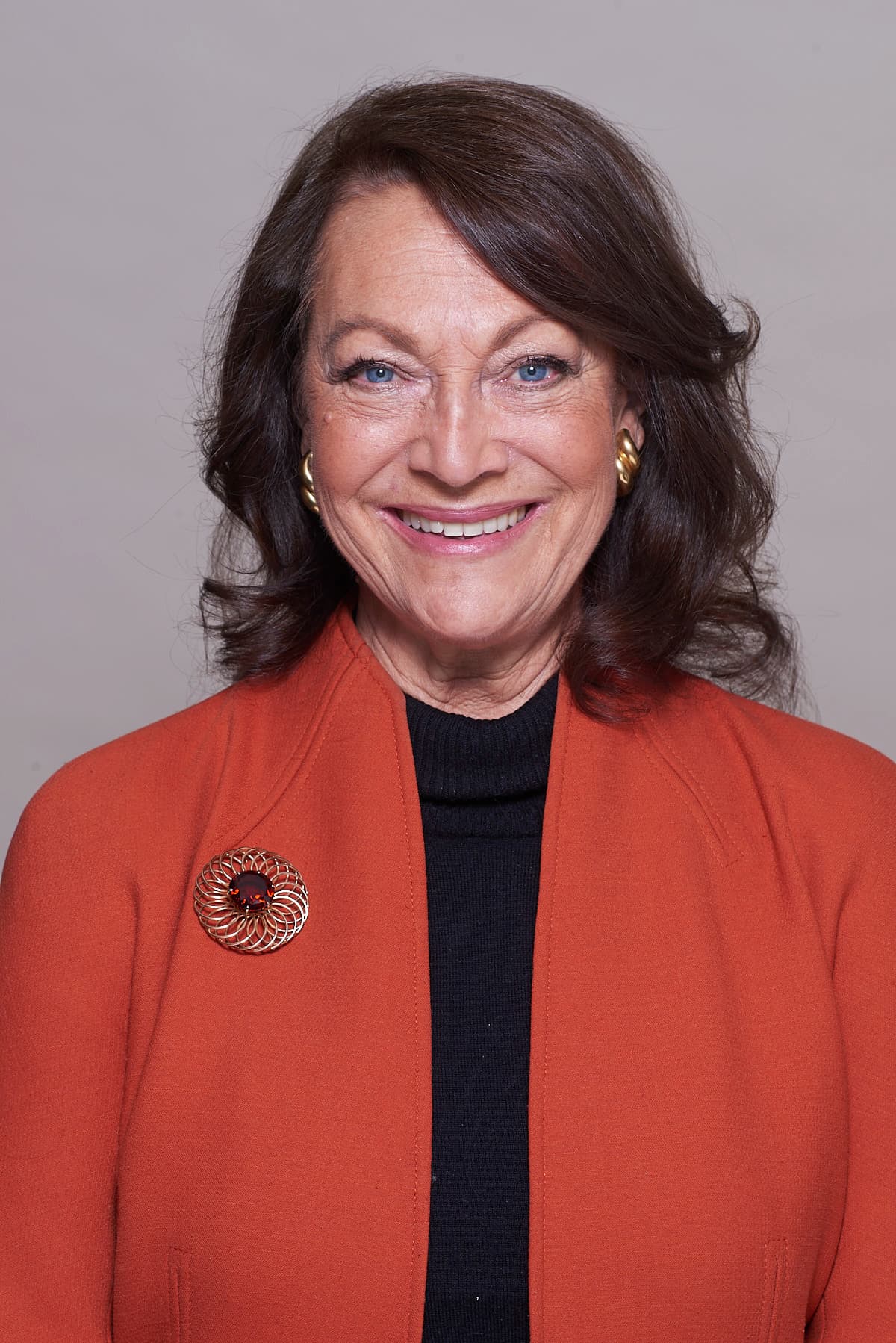
Celebrity Interview: Antoinette Bonanno Matlins
A lightning rod in the gemology world for decades, AGA Bonanno Award recipient Antoinette Bonanno Matlins reflects on her life as an author, educator, and lecturer, dedicating her gemological career to promoting and upholding the highest ethics in the gem and jewelry industry.

Career Forums

What Can You Do With Your Gemology? Gemology in the Auction World
For thousands of years, humans have used auctions as a method of buying and selling. Today, auctions have evolved into specialized marketplaces spanning various fields, from jewelry to automobiles. Join us for an exclusive event featuring esteemed gemologists from the world of gem and jewelry auctions. They will share their decades of experience, insights, and the profound impact gemology has had on their careers.

What Can You Do With Your Gemology? Jewelry, Art, And Gemology
You are a qualified gemologist with a passion for gemstones, jewelry, and lapidary. Can your passion turn you into a multifaceted artist and a unique businessperson? AGA explored the possibilities and found the right people to ask this very question for you. Join us in our next “What Can You Do With Your Gemology” career forum to meet these passionate young artists, listen to their stories, and learn from them.

What can you do with your gemology? Responsible Gem & Jewelry Trade
Uncover the dynamics of the Responsible Gem and Jewelry Trade and explore gemological career options as our panelists share their boots on the ground experience in this critical and developing facet of the gem and jewelry industry.
What Can You Do With Your Gemology? Gemology in Museums
Our panel of esteemed Museum Directors, Curators, and Researchers pull back the curtain on curating exhibitions that engage and inspire visitors and students through gemology and jewelry arts lenses.

What Can You Do With Your Gemology? Jewelry and Gem Photography
Widely respected for their ability to capture the beauty of fine gemstones and jewelry in their photographs, our gemologist panelists share their experience in the art of gemstone and jewelry photography.

What Can You Do With Your Gemology? Careers in Gemological Publication
This AGA Career Forum features a panel of gemologists who are giants in the world of gemological publications. Learn more about the field and their passion for writing about gems and jewelry.

What Can You Do With Your Gemology? Research Gemologists
Through travel to exotic gem locations and detailed analysis in the laboratory, the gemological researchers on our panel strive to uncover the secrets hidden in gems. Find out more about what it takes to be a research gemologist.

What Can You Do With Your Gemology?
The options for careers in gemology are limited only by your imagination. Our panelists are all highly successful gemologists performing various essential jobs within the gemological community. Join in and explore where your gemology may take you.
Yes, AGA Sponsors are encouraged to demonstrate their products and services at vendor tables available during live conferences. Reservations for vendor tables must be made in advance.
Attendance at AGA gemological conferences is growing with 140 people registered to attend the live 2023 Tucson conference and 20 more registered for the recorded conference sessions. 180 people registered for the Gala Dinner-Dance following the live conference in Tucson.
Yes, AGA conferences are open to everyone. Registration discounts are a benefit of membership.
AGA-hosted webinars are presented live exclusively to AGA Members. Recordings of the AGA-hosted webinars are available to everyone.